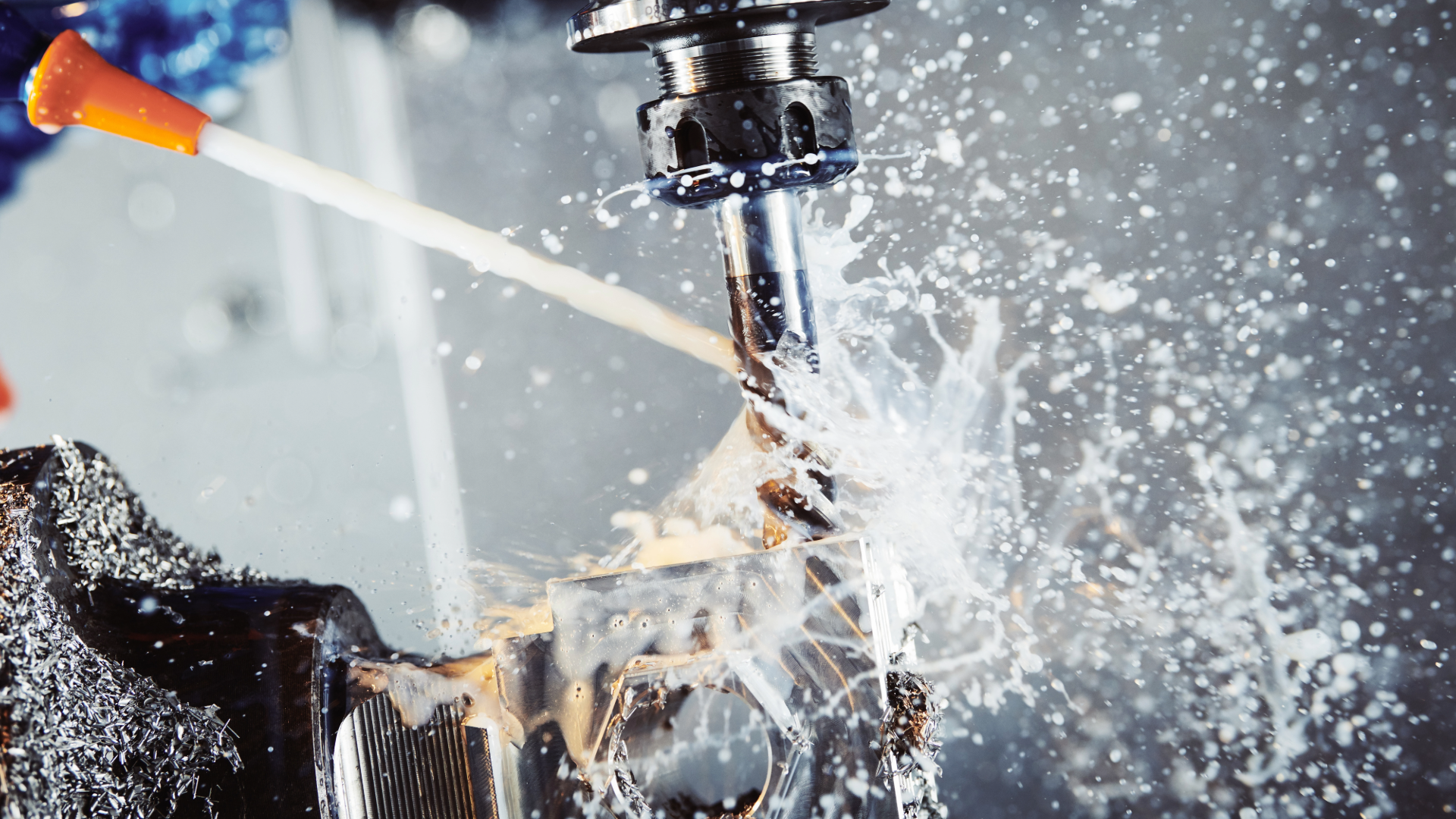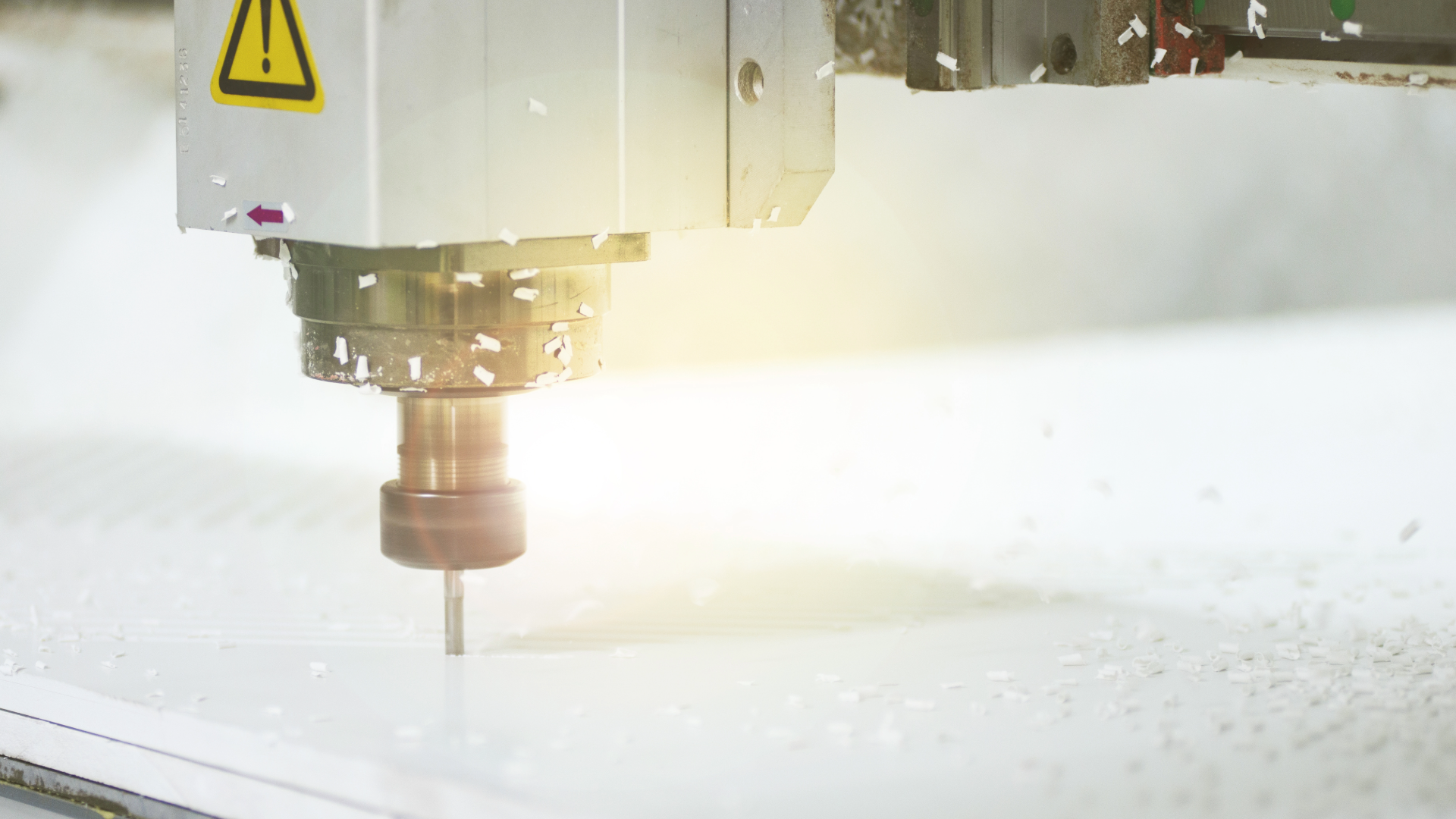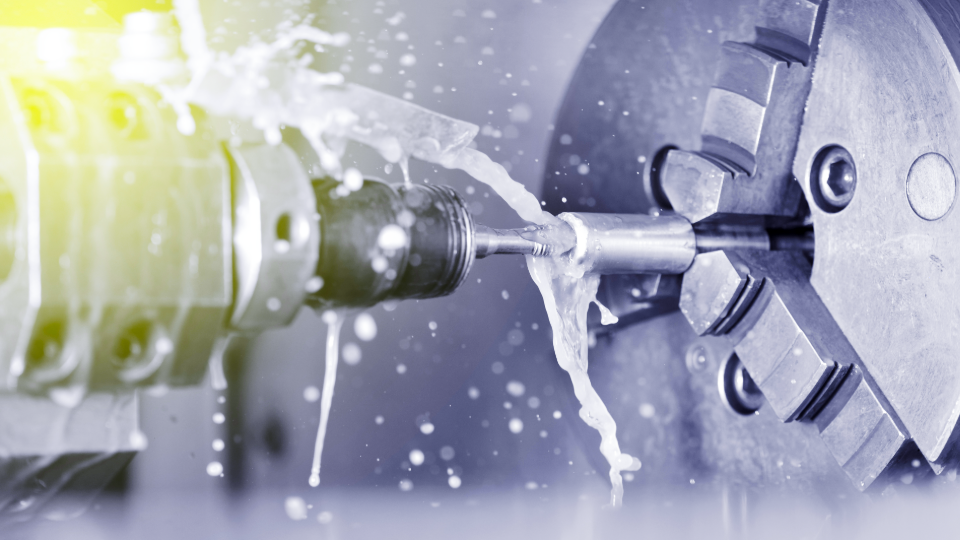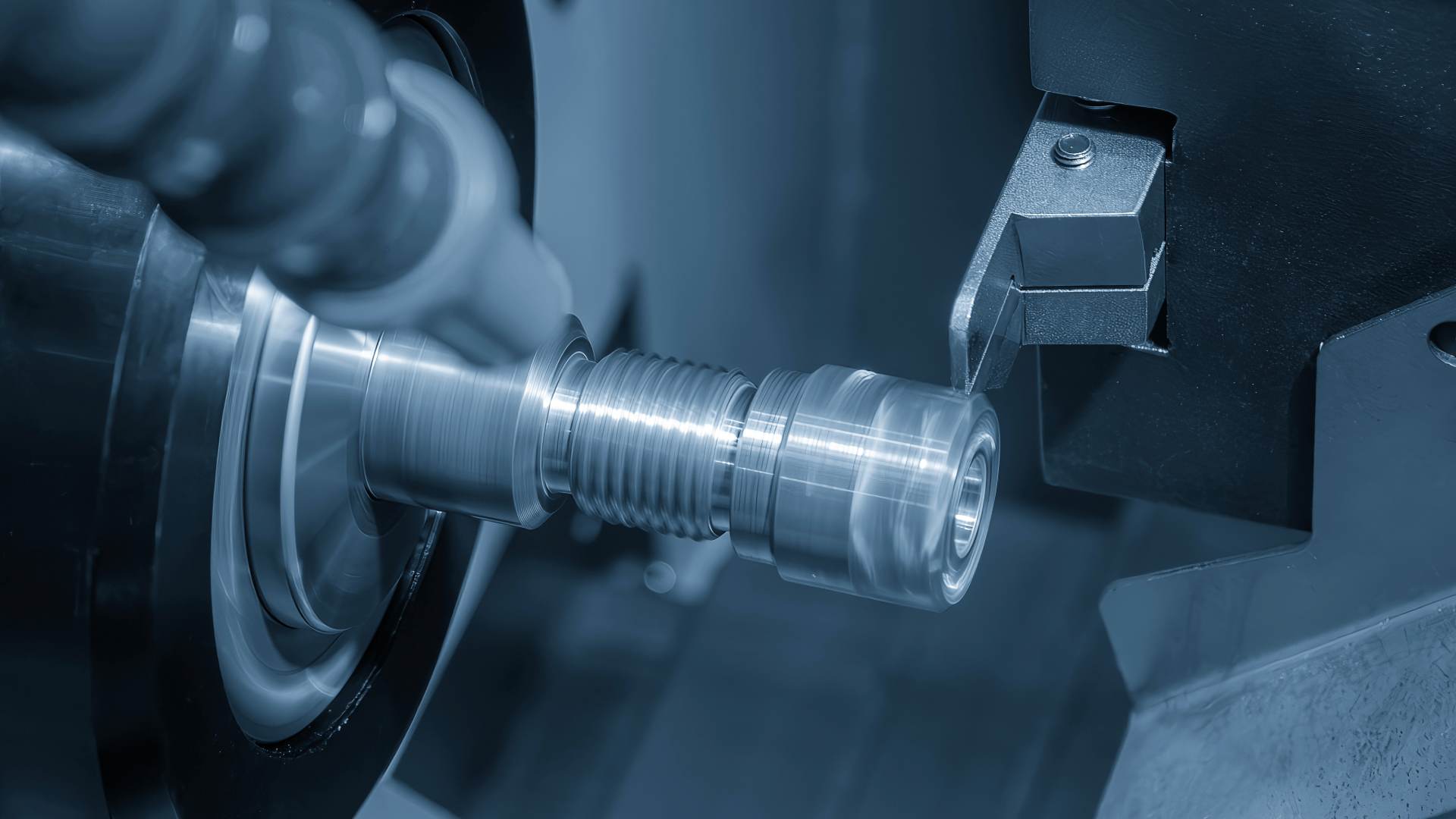
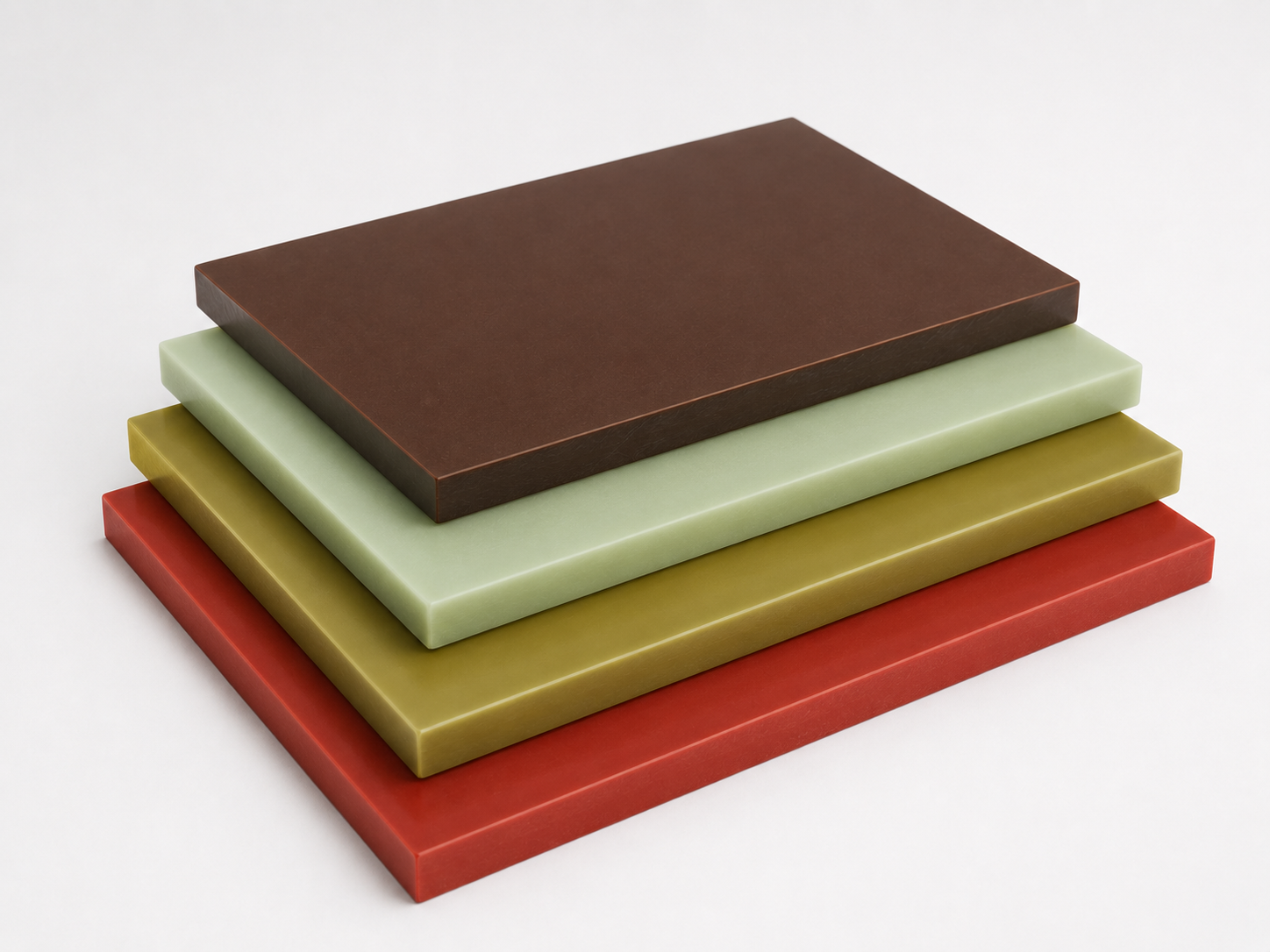
Thermoset composite laminates such as G10/FR4, G11, GPO-3, phenolic, and high-temperature glass composites each bring different strengths to an application. Some are chosen for electrical insulation. Others are selected for mechanical strength, heat resistance, dimensional stability, machinability, or cost efficiency.
At Atlas Fibre, composite machining is not treated as a generic plastics process. Each material requires the right tooling, speeds, feeds, workholding, inspection methods, and finishing approach to produce consistent, repeatable parts.
Discover the major types of composite machining Atlas Fibre supports and where each material family is commonly used.
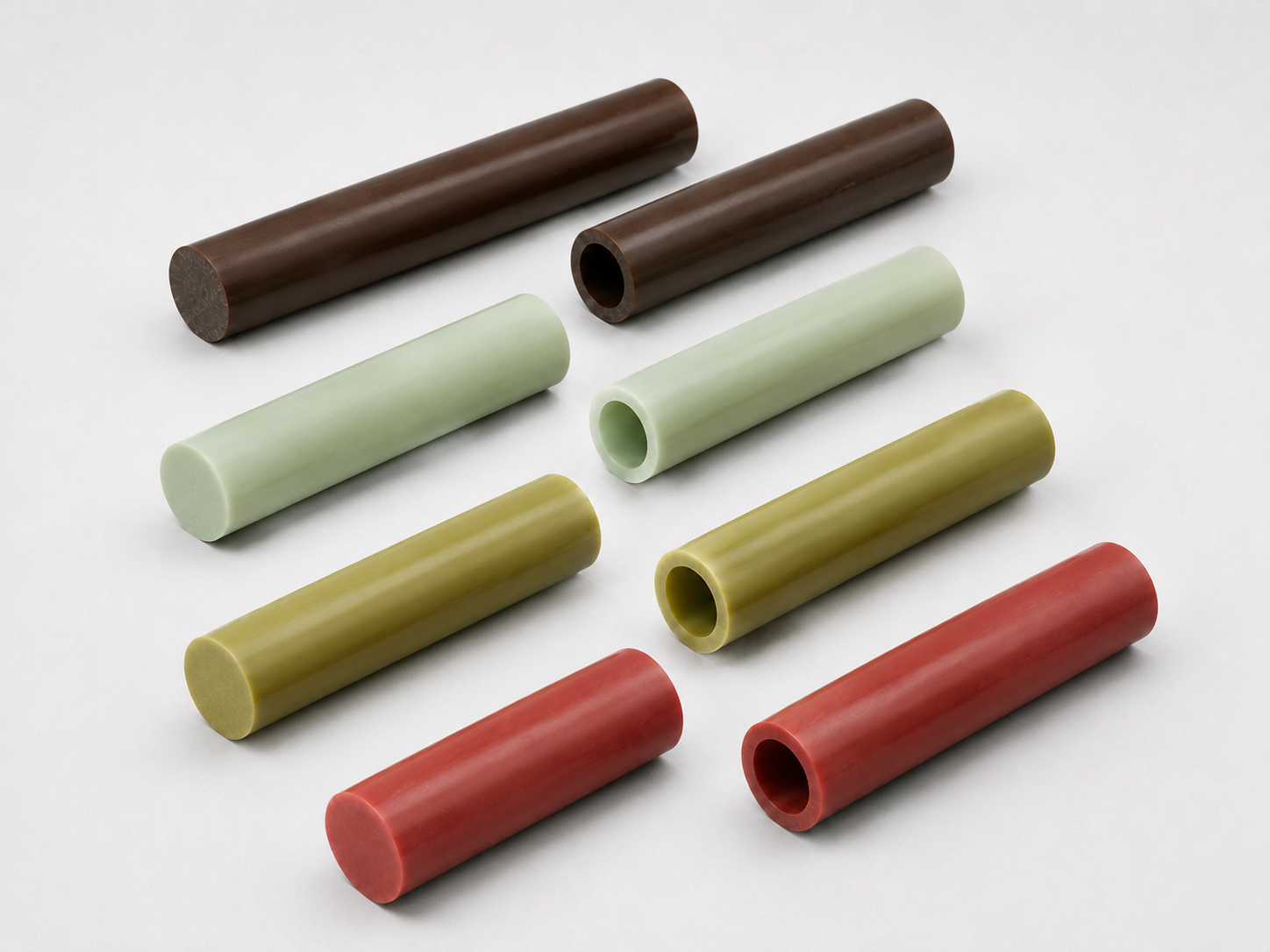
Before breaking down specific materials, this section should explain why thermoset laminate machining requires a different level of expertise.
Thermoset composites are reinforced materials, not homogeneous plastics. Their performance depends on fiber reinforcement, resin system, laminate construction, and machining direction.
Unlike thermoplastics, thermoset laminates do not melt during machining. Instead, improper machining can cause chipping, fiber breakout, delamination, burning, or excessive tool wear.
Precision machining requires experience with abrasive materials, dust control, edge quality, tight tolerances, and repeatability across production runs.
Not sure which material is right for your precision part? Connect with Atlas Fibre for material and machining support.
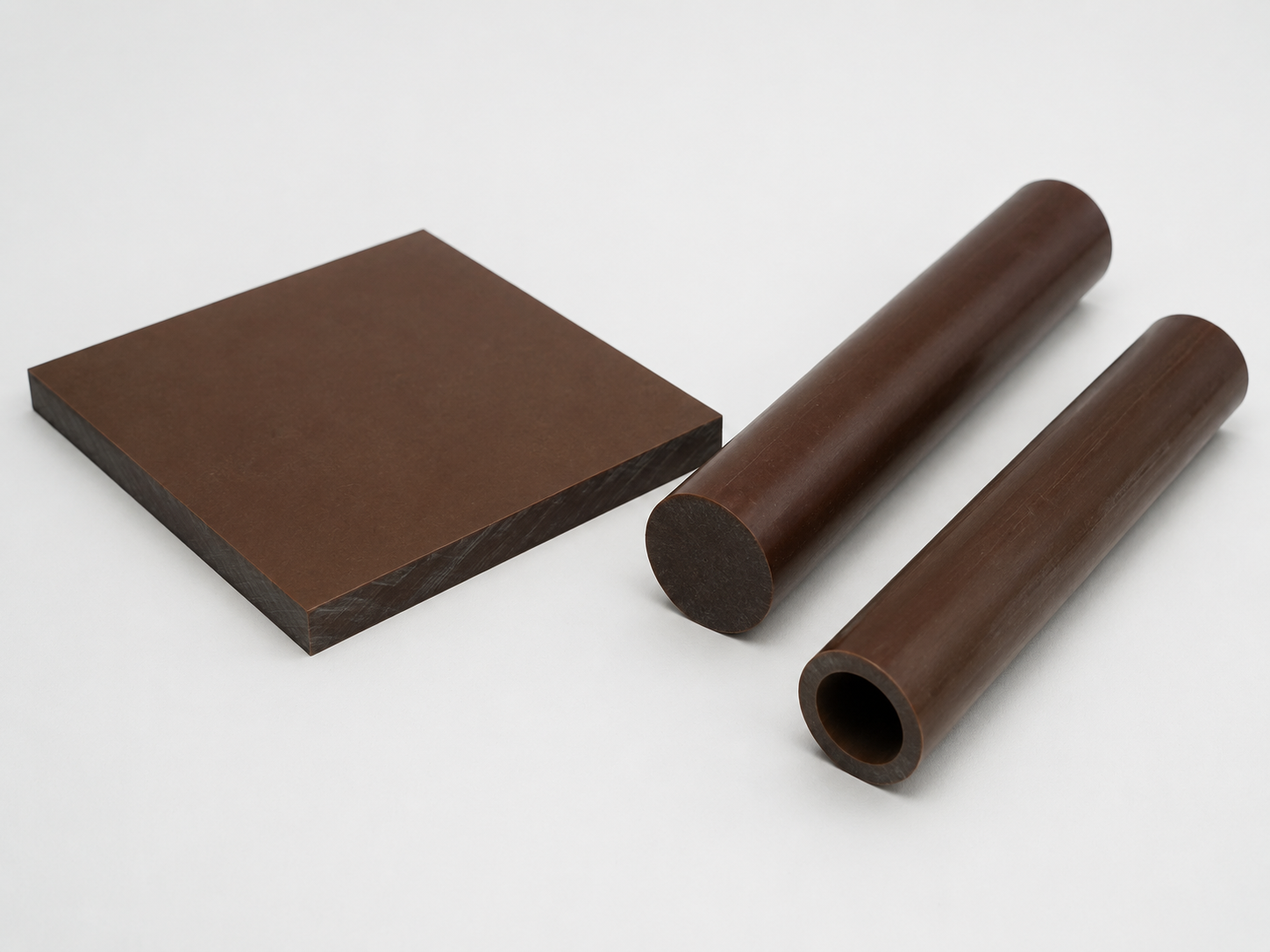
Phenolic materials are thermoset composite laminates made with layers of paper, canvas, or linen reinforcement combined with phenolic resin. Common grades include XX, XXX, C, CE, L, and LE.
Customers choose Phenolic for machining for its wear resistance, electrical insulation, machinability, cost effectiveness, and performance in mechanical applications.
Parts commonly machined from Phenolic include bushings, gears, bearings, washers, insulators, rollers, mechanical spacers and a range of low-friction and wear-resistant components.
Different phenolic reinforcements machine differently. Paper phenolic, canvas phenolic, and linen phenolic each have different surface finish, strength, and detail-machining characteristics. Material selection matters when the part requires threads, fine features, wear resistance, or smooth edges.
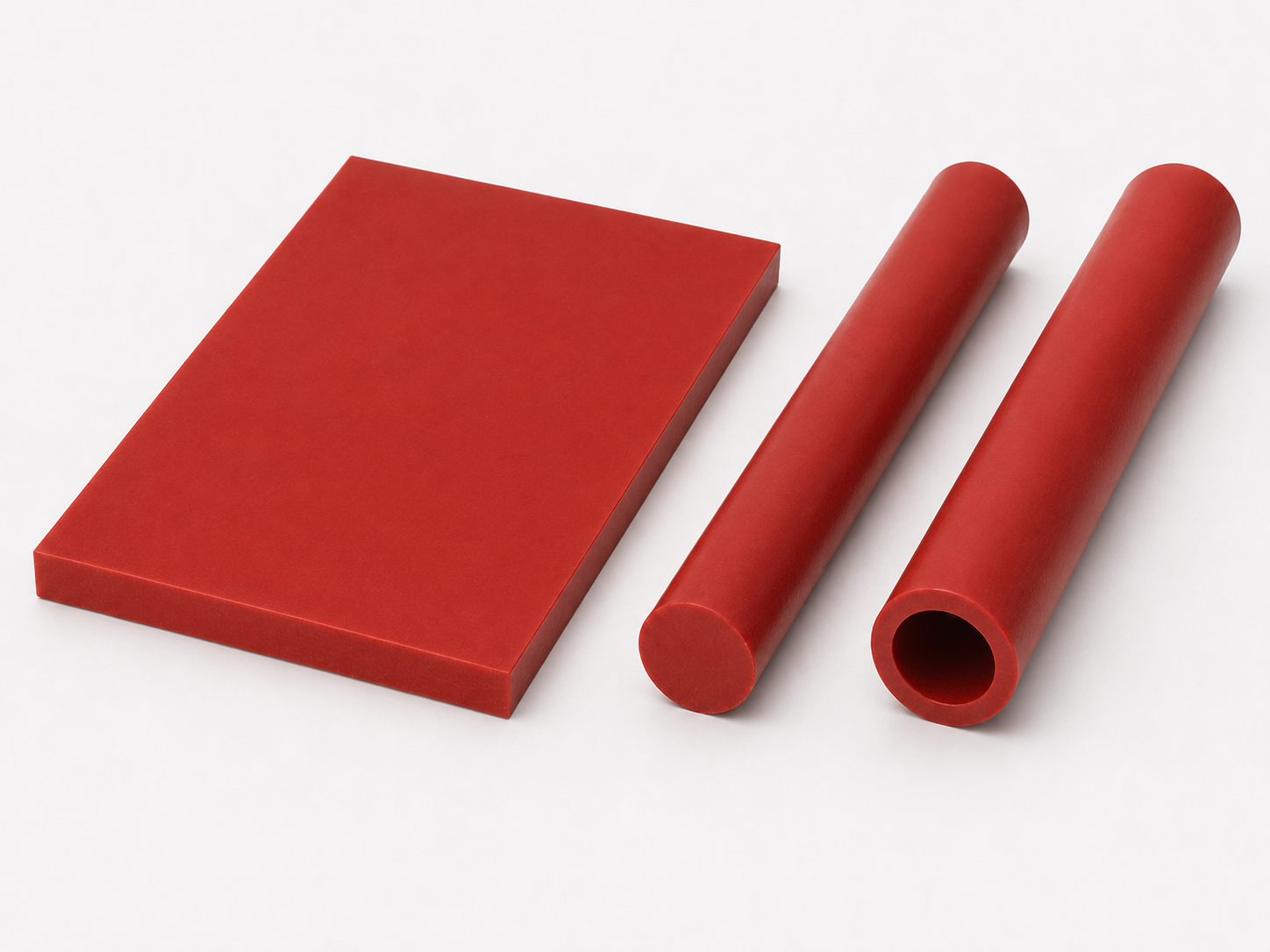
GPO-3 is a glass-reinforced polyester laminate commonly used in electrical insulation applications where flame resistance, arc resistance, and cost efficiency are important.
A glass polyester material, GPO-3 is widely used in power, electrification, and electrical equipment because it provides strong insulating properties at a practical price point.
Parts commonly machined from GPO-3 include switchgear components, bus bar supports, terminal boards, mounting panels, barriers and partitions, transformer supports, electrical insulation panels.
GPO-3 can be machined into a wide range of flat or profiled components, but it requires the right process to maintain clean edges, hole quality, and consistent part fit.
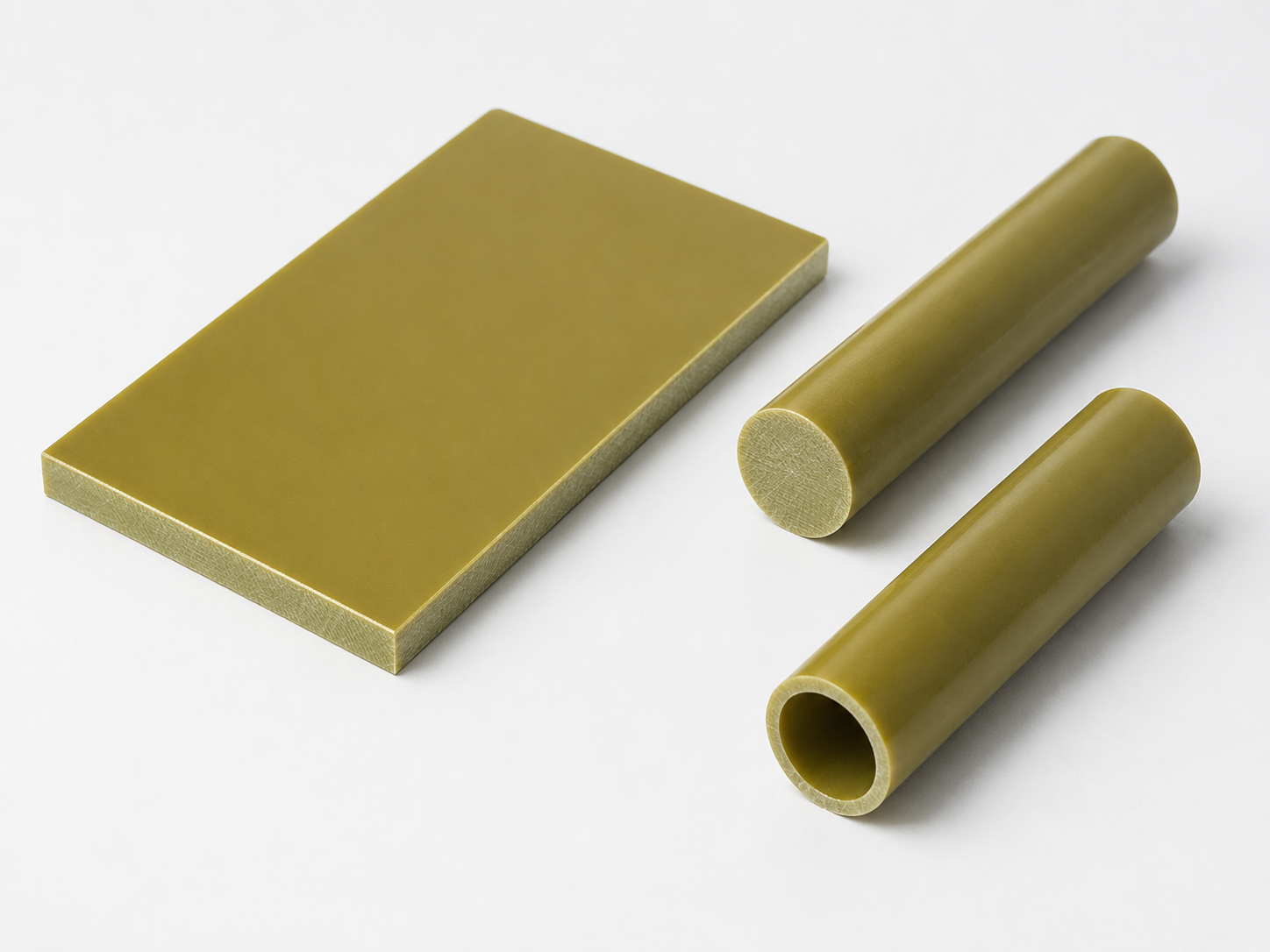
G11 and FR5 are higher-temperature glass epoxy laminates used when applications require better thermal performance than standard G10/FR4.
Customers choose G11/FR5 materials for applications where electrical insulation, mechanical strength, and elevated-temperature performance are all important.
Parts commonly machined from G11/FR5 include a range of high-temperature insulating components, electrical supports, spacers and barriers, thermal and structural insulation parts, along with parts used in close proximity to heat-generating equipment.
G11 and FR5 can require careful machining strategies to avoid edge damage while maintaining tight tolerances, especially in parts with thin walls, slots, holes, or complex profiles.
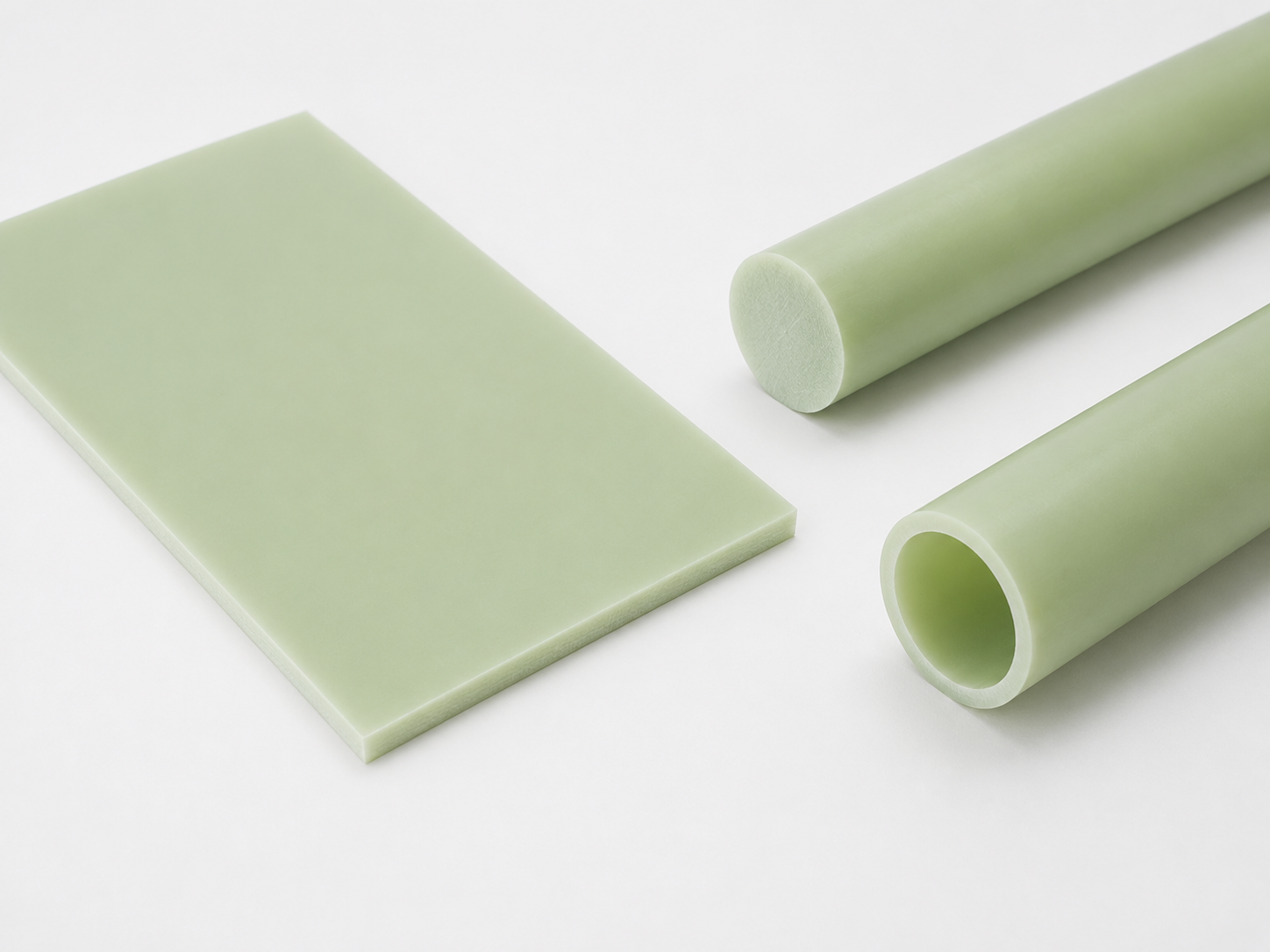
G10 and FR4 are glass-reinforced epoxy laminates known for mechanical strength, dimensional stability, and excellent electrical insulation properties. FR4 is the flame-retardant version commonly used in electrical and electronics-related applications.
G10/FR4 is often selected when a part needs to combine strength, stiffness, dielectric performance, and stable machining characteristics.
Parts commonly machined from G10/FR4 include electrical insulation components, structural insulating parts, spacers/standoffs and terminal boards, washers, blocks and a range of components for use in industrial equipment, robotics, aerospace, and power applications.
Glass epoxy laminates are abrasive and require proper tooling to maintain edge quality and dimensional consistency. The orientation of the laminate and part geometry can also affect finish, tolerance, and long-term performance.
G10 & FR4 Machining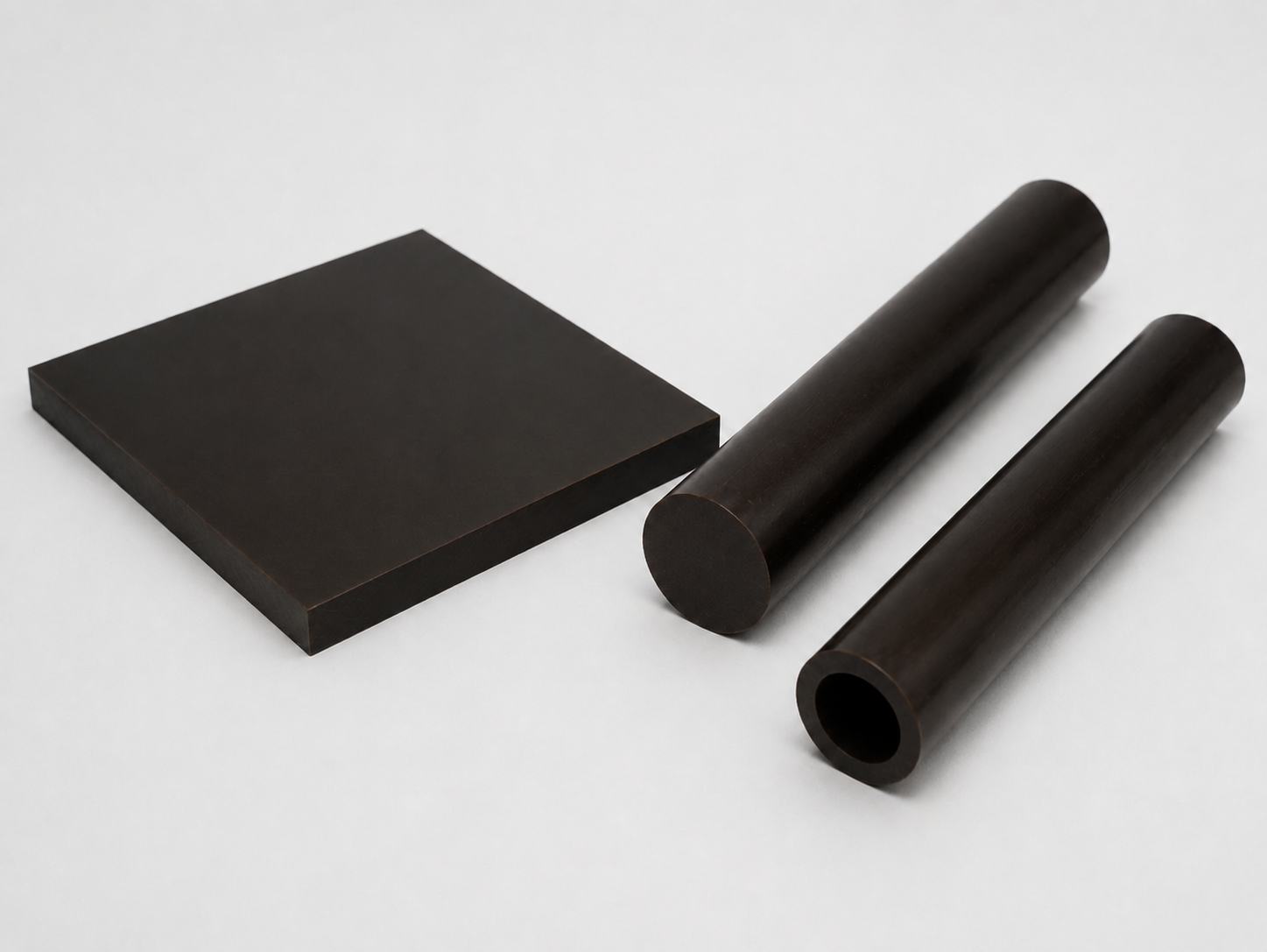
Materials such as G14 / Matrix HT and other high-temperature thermoset composite laminates are designed for some of the most demanding environments.
Customers choose high-temperature composites when standard grades may not provide enough thermal stability.
Parts commonly machined from high-temp composites include thermal barriers, spacers and supports, along with high-temp electrical insulation, and welding and industrial heat-zone components.
High-temperature laminates often require precise tooling, controlled feeds and speeds, and careful inspection to ensure parts hold tolerances and maintain performance in demanding applications.
Matrix HT (G14)
Atlas Fibre is not just a raw material supplier. With extensive material inventory and deep precision machining expertise, customers can source both materials and finished machined components from one partner.
Need help machining G10, phenolic, GPO-3, or another thermoset composite?
Atlas Fibre helps customers move from material selection to finished machined components with speed, precision, and practical application support. Whether you need raw laminate stock, cut-to-size material, or fully machined composite parts, our team can help identify the right material and process for your application.
Connect with Atlas Fibre to discuss your next composite machining project.
Contact Atlas Fibre