Atlas Fibre provides precision G10 machining services for components that require electrical insulation, mechanical strength and dependable dimensional performance. We transform G10 sheet, rod and tube into custom components for demanding electrical, industrial, aerospace, semiconductor and original equipment applications.
Our vertically integrated operation combines extensive material availability with advanced CNC machining, inspection and production capabilities. This allows Atlas Fibre to support projects ranging from prototypes and specialized components to repeat production programs.
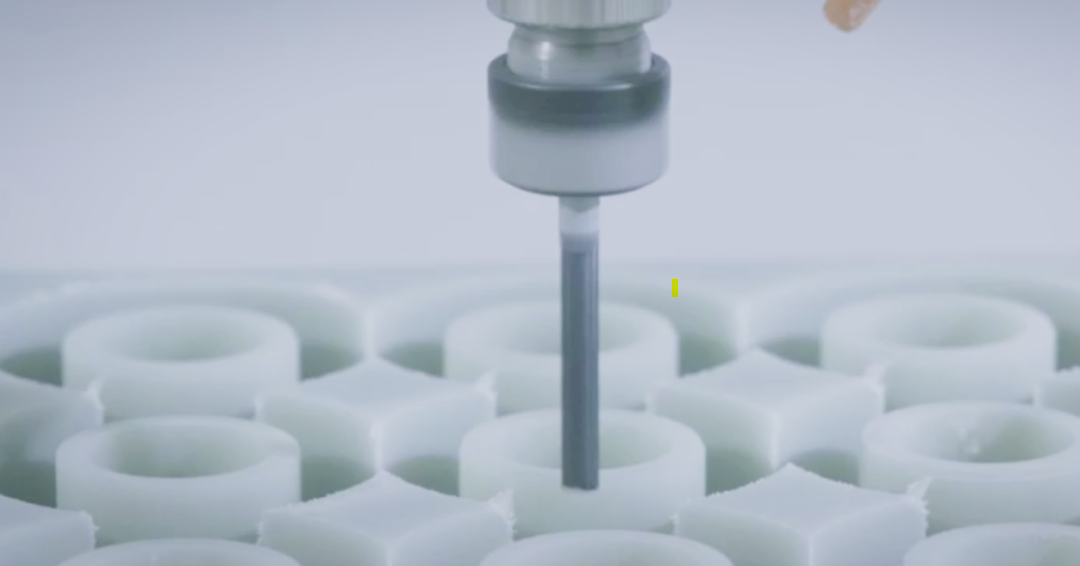
G10 is a glass-reinforced epoxy laminate valued for its mechanical strength, low moisture absorption and electrical insulating properties. Those same glass fibers make the material highly abrasive and more difficult to machine than conventional plastics.
Successful G10 machining requires the right combination of tooling, equipment, fixturing and process control. Atlas Fibre specializes in machining thermoset composite laminates, helping protect critical dimensions, edges and material integrity throughout production.
Our G10 machining capabilities include:
Atlas Fibre produces custom G10 components directly from customer drawings, models and project requirements. Common components include:
Whether the project requires a small, detailed component or a large-machined structure, our team can help evaluate the material form, machining strategy and production method needed to support the application.
G10 cannot be machined using the same assumptions applied to metals or unreinforced plastics. Dull tooling, excessive heat, poor chip evacuation and unsupported drilling can cause chipped edges, fiber breakout or delamination.
Atlas Fibre uses machining processes developed specifically for glass-reinforced thermoset composites. Tool selection, cutting forces, heat, fixturing and tool wear are controlled to produce clean features while protecting the structural and electrical integrity of the laminate.
For a deeper examination of these considerations, explore our guide to tooling and edge integrity when machining G10 and FR4.
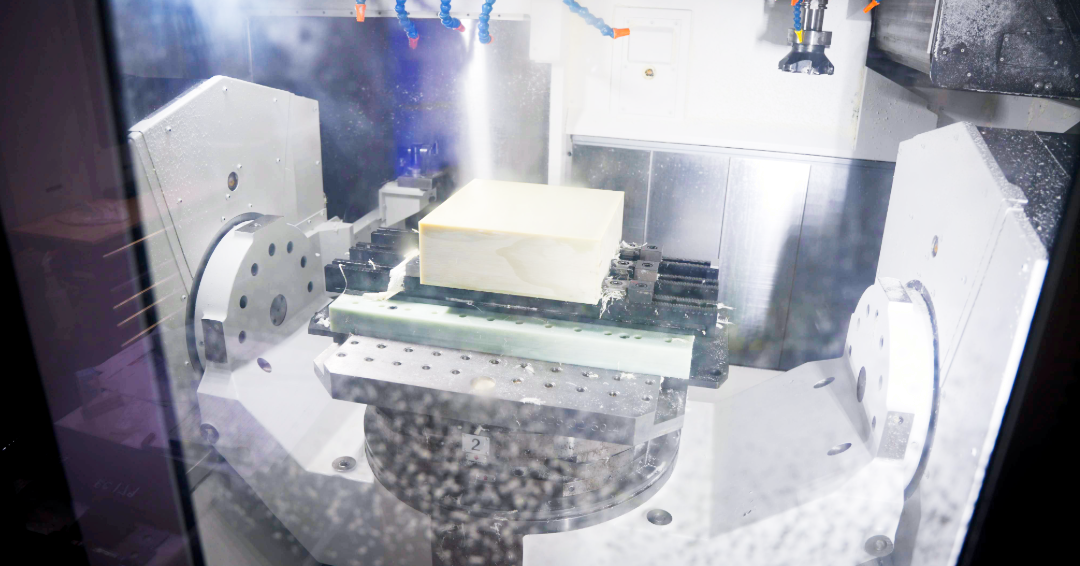
Our CNC milling capabilities support flat components, pockets, slots, contours, mounting features and complex multi-axis geometries. Stable fixturing and controlled cutting strategies help reduce vibration, edge damage and dimensional variation.
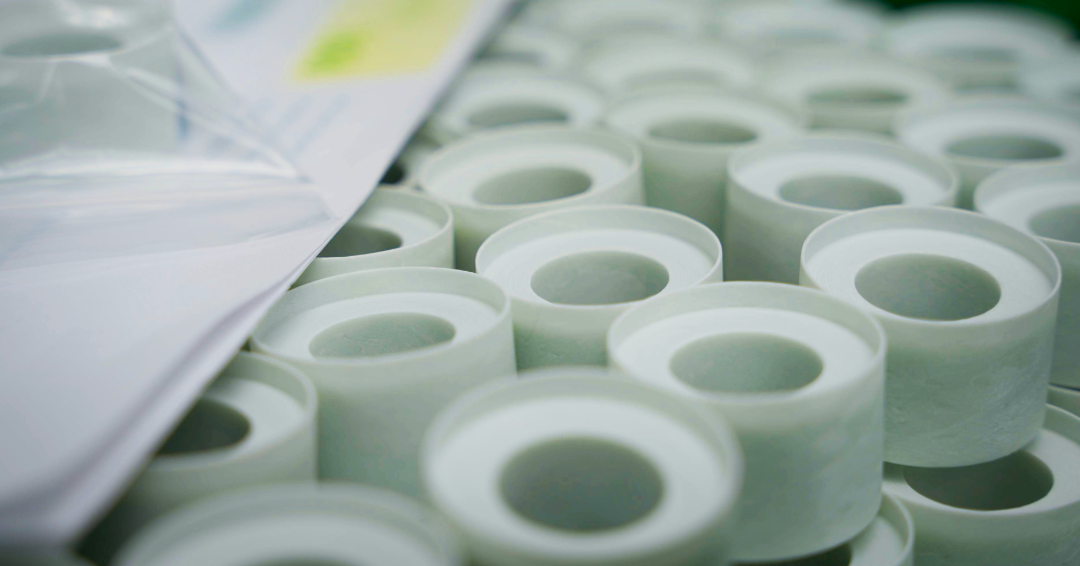
G10 rod and tube can be machined into bushings, sleeves, spacers, insulators and other cylindrical components. Atlas Fibre controls tooling and workholding to maintain concentricity, roundness and consistent surface quality.
Drilling G10 requires careful management of entry and exit forces. Our processes are designed to reduce breakout, splintering and delamination around holes. Threaded features, counterbores, countersinks and precision hole patterns can be incorporated according to drawing requirements.
Four-axis and five-axis machining can reduce setups and improve consistency across complex G10 parts. Atlas Fibre uses advanced machining platforms to produce detailed components while limiting unnecessary handling and repositioning.
Atlas Fibre works extensively with G10 and other thermoset composite laminates. Our understanding extends from material selection and stock preparation through machining, inspection and production.
G10 components are used when mechanical performance and electrical insulation must be combined in one material.
G10 and FR4 are both woven-glass epoxy laminates, but they should not automatically be treated as interchangeable. FR4 incorporates flame-retardant characteristics for applications with specific flammability requirements, while G10 is commonly selected for its combination of mechanical and electrical properties.
Atlas Fibre machines both materials and can help customers evaluate the appropriate grade based on the drawing, operating environment and applicable specifications.
Visit our Component Showcase to see parts machined from G10 and other advanced materials.
Atlas Fibre supports applications across:
Send Atlas Fibre your drawing, model, quantity and material requirements. Our team will review the project and help determine the most effective approach for producing your custom G10 components.
Request a G10 Machining Quote
Can G10 be CNC machined?
Yes. G10 can be CNC milled, turned, routed and drilled. Because its glass reinforcement is abrasive, successful machining requires appropriate tooling, dust management and process control.
Is G10 difficult to machine?
G10 is more challenging to machine than many conventional plastics. Improper tooling or machining parameters can cause rapid tool wear, heat buildup, chipped edges and delamination.
What kinds of parts can be machined from G10?
Common machined G10 parts include insulators, mounting plates, bushings, sleeves, spacers, washers, terminal boards, brackets, fixtures and custom structural components.
Can G10 be tapped?
Yes, threaded features can be machined into G10. Thread design, engagement, wall thickness and anticipated loading should be evaluated for the specific application.
What is the difference between G10 and FR4?
Both are glass-cloth epoxy laminates. FR4 is formulated to meet flame-retardant requirements, while G10 is not defined by the same flame-resistance classification.
Does Atlas Fibre provide both G10 material and machining?
Yes. Atlas Fibre supplies thermoset composite materials and fabricates finished components, allowing material sourcing and machining to be handled within one organization.